Why You Need a Shoe Cabinet Instead of a Shoe Rack?

Time:2026-10-03 Author:Sophia
0%

A tidy entrance shapes the feeling of an entire home. Yet many households still leave shoes scattered beneath benches, beside doors, or across narrow hallways. The question “Why you need a shoe cabinet instead of a shoe rack” deserves a practical answer. A rack keeps footwear visible, but it rarely controls dust, clutter, or unpleasant odors. A cabinet creates a clearer boundary between outdoor dirt and indoor living spaces. It also makes the entryway look calmer within seconds.

That difference becomes obvious during daily use. A well-designed cabinet can hide mismatched sneakers, muddy boots, and rarely worn formal shoes. Closed doors protect footwear from sunlight, curious pets, and accidental knocks. Adjustable shelves can hold different sizes, while ventilation openings help reduce trapped moisture. This matters after rain. Small details count. However, a cabinet is not automatically the perfect solution. Poor ventilation may encourage odor, and deep shelves can make favorite shoes difficult to reach. Choosing the wrong size can also waste valuable floor space.

This guide examines why you need a shoe cabinet instead of a shoe rack through organization, hygiene, durability, and everyday convenience. It considers entryway dimensions, household habits, cleaning routines, and material quality. A reliable choice should fit real behavior, not only attractive product photographs. Measure the available wall first. Think about wet footwear, children’s shoes, and seasonal storage. The best cabinet may not be the largest one. It should quietly support your routine, reduce visual noise, and keep essential pairs easy to find.
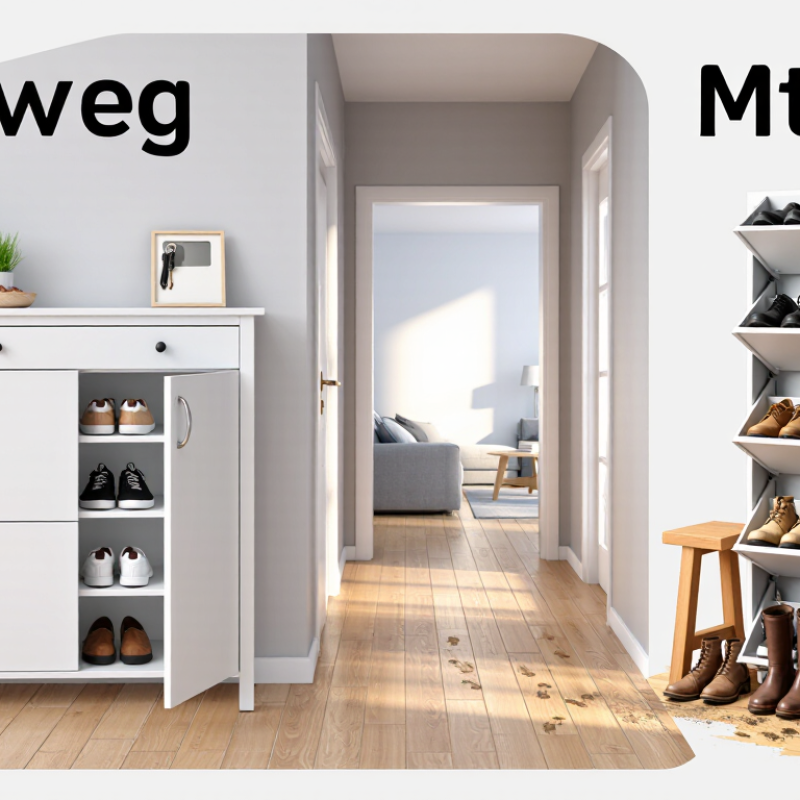
Why You Need a Shoe Cabinet Instead of a Shoe Rack?

What Is a Shoe Cabinet and How Does It Differ From a Shoe Rack?

A shoe cabinet is an enclosed storage unit with doors, fixed shelves, or angled compartments. A shoe rack is usually open and easier to reach. The difference is not cosmetic. It changes how shoes, dust, moisture, and entryway clutter behave.

The U.S. Environmental Protection Agency reports that indoor pollutant levels can be two to five times higher than outdoor levels. Shoes can carry soil, pollen, and street residue into the home. A cabinet limits the visible spread of this debris. Its doors also keep footwear away from children, pets, and clean surfaces. However, a sealed cabinet can trap dampness. I learned this after storing wet sneakers too quickly. The smell became worse.

A rack offers stronger airflow and faster access. It suits dry footwear, daily use, and households that clean shoes frequently. Yet open shelves expose every pair and make narrow entrances look crowded. The National Association of Home Builders’ buyer-preference research places storage among highly valued home features, reflecting a practical demand for organized living spaces. A useful cabinet should include ventilation gaps, washable surfaces, and enough depth for larger shoes. Adjustable shelves matter more than decorative handles. Small spaces may need a slim vertical model, but poor measurements create another problem: doors that block the walkway. My own preference has changed. A cabinet works better near the entrance, while a small open rack helps air out damp shoes before storage.

How Shoe Cabinets Improve Storage, Organization, and Home Cleanliness

A shoe cabinet can transform a crowded entrance into a calmer, cleaner space. I noticed this after replacing an open rack near my front door. Shoes no longer spread across the floor, and walking through the entryway became easier. Closed compartments also reduce visible dust and keep outdoor dirt away from living areas. This matters in homes with children, pets, or frequent visitors. A cabinet usually offers better vertical storage than a low rack. Adjustable shelves can hold boots, slippers, and everyday shoes without wasting valuable floor space.

Tips: Measure your entryway first. Leave enough space for doors to open fully. Keep daily shoes on the easiest-to-reach shelf. Add a small tray for wet footwear. Ventilation is important, especially after rain.

A well-organized cabinet also makes cleaning less frustrating. I can sweep beneath it and wipe its surfaces without moving many loose pairs. Still, it is not a magic fix. An oversized cabinet may make a narrow hallway feel cramped. Poor ventilation can create unpleasant odors, too. Choosing the right depth, shelf height, and airflow design requires some thought. I also learned that unused shoes quickly fill any storage system. Regularly checking what the household actually wears keeps the cabinet practical. A simple layout often works better than a complicated one.

Key Features to Consider When Choosing a Shoe Cabinet

A shoe cabinet earns its place when it controls clutter, dust, and daily traffic better than an open shoe rack.

The University of Arizona reported that 96% of tested shoe soles carried coliform bacteria, with 90% transferring to clean floor surfaces. This does not mean every shoe is dangerous. It does show why enclosed storage deserves attention.

Choose a cabinet with ventilated doors and removable shelves. Airflow helps reduce trapped moisture after rain. Adjustable shelves fit boots, slippers, and children’s shoes without wasted space. Measure depth carefully. A cabinet that blocks a hallway creates a new problem. Many homes need less than 30 centimeters of depth, but larger footwear may require more. Check the actual interior dimensions, not only the product’s outside size.

Cleanability matters. Smooth, sealed panels wipe faster than rough fabric surfaces. A removable tray can catch grit and melting snow near the entrance. The U.S. Environmental Protection Agency recommends controlling dirt sources and improving indoor maintenance as part of healthier indoor environments. Look for stable construction and wall anchoring, especially in homes with children or pets. It is an easy detail to overlook.

I once treated capacity as the main measure of quality. That was a mistake. A crowded cabinet still creates odor, pressure, and damaged shoes. Leave a small air gap between pairs, even if storage capacity falls. Less can work better.

How to Select the Right Shoe Cabinet for Your Space and Collection

Why You Need a Shoe Cabinet Instead of a Shoe Rack?

Choosing the right shoe cabinet starts with your collection, not its appearance. Count daily shoes, seasonal pairs, boots, and future purchases. Leave about 20% spare capacity. A crowded cabinet becomes difficult to use. I have learned this after measuring attractive units that could not fit wider athletic shoes.

Measure the entryway width, depth, ceiling height, and door swing. For narrow spaces, choose a cabinet under 30 centimeters deep, but confirm each compartment’s usable height. Boots need more clearance than sandals. Ventilated doors can reduce trapped moisture, especially after wet commutes. Closed storage also limits visual clutter and keeps dust away from rarely worn pairs.

The 2024 National Association of Home Builders report shows that 86% of buyers consider a laundry room desirable, reflecting strong demand for practical storage zones. The U.S. Environmental Protection Agency’s 2018 textile-waste report recorded 17.2 million tons of textile waste, with about 9.1 million tons landfilled. Shoes are only one category, but durable storage can support longer use. That claim needs humility. A cabinet will not repair poor cleaning habits or stop overbuying.

Choose adjustable shelves, smooth ventilation openings, stable hinges, and an easy-clean interior. Check load limits before storing heavy boots. For families, label sections by person or purpose. For small apartments, a slim tilt-out cabinet may work better than a deep unit. Measure twice. Buy once.

How to Organize and Maintain a Shoe Cabinet Effectively

A shoe cabinet protects footwear better than an open rack. Dust settles on exposed leather, fabric, and soles. A closed cabinet also keeps entryway odors and visual clutter under control. The National Association of Home Builders’ 2024 report lists garage storage as a preferred feature for 66% of buyers. That preference reflects a practical need: homes require dedicated storage, not random corners.

Organize the cabinet by frequency and purpose. Keep daily shoes between waist and knee height. Store seasonal pairs higher, and place slippers near the door. Use ventilated shelves, because completely sealed spaces can trap moisture. Allow shoes to dry before storage. A small tray can collect gravel, rainwater, and loose dirt.

Clean shelves monthly with a dry cloth, then use a lightly damp cloth when needed. The American Cleaning Institute’s 2024 National Cleaning Survey reports that 74% of households consider a clean home important to their well-being, so maintenance is not merely cosmetic.

I still forget to rotate shoes sometimes. That weakens the system. Inspect pairs every few months, remove damaged inserts, and avoid overcrowding. Leave a little air space between shoes. A cabinet packed tightly looks efficient, but it can deform footwear and make cleaning difficult.

FAQS

Why choose a shoe cabinet instead of an open rack?

A cabinet reduces dust, visual clutter, and exposure to household odors. Closed storage works better for rarely worn shoes. Keep some ventilation. Completely sealed compartments may trap moisture.

How much cabinet capacity should I plan for?

Count daily shoes, seasonal pairs, boots, and likely future purchases. Leave about 20% extra space. A crowded cabinet becomes difficult to use. I once measured by appearance alone. That mistake wasted space.

What measurements matter before buying a shoe cabinet?

Measure entryway width, cabinet depth, ceiling height, and door swing. For narrow areas, a cabinet under 30 centimeters deep may fit. Check each compartment’s usable height, too.

How can I store boots and athletic shoes properly?

Boots need taller compartments than sandals. Wide athletic shoes require extra shelf width. Check load limits before storing heavy boots. Adjustable shelves can handle changing footwear sizes better.

Is ventilation important inside a shoe cabinet?

Yes, especially after rainy walks or wet commutes. Ventilated doors and shelves allow moisture to escape. Let shoes dry before storage. Damp shoes should not go inside immediately.

How should I organize shoes inside the cabinet?

Keep daily shoes between waist and knee height. Place slippers near the door. Store seasonal pairs higher. A small tray can collect gravel, rainwater, and loose dirt.

How often should a shoe cabinet be cleaned?

Wipe shelves monthly with a dry cloth. Use a lightly damp cloth when necessary. Inspect shoes every few months. Remove damaged inserts and clear away loose debris.

What features make a shoe cabinet easier to use?

Look for adjustable shelves, smooth ventilation openings, stable hinges, and an easy-clean interior. Label sections by person or purpose. Tilt-out designs may suit small apartments. Measure twice. Buy once.

Conclusion

Why you need a shoe cabinet instead of a shoe rack becomes clear when storage, cleanliness, and organization matter. Unlike an open shoe rack, a shoe cabinet keeps footwear enclosed, reduces visible clutter, and helps prevent dust, odors, and dirt from spreading through the home. Its doors and compartments create a neater appearance while making better use of limited entryway space.

When choosing a shoe cabinet, consider its size, ventilation, storage capacity, material, durability, and style. Select a model that fits your available space and accommodates your shoe collection without overcrowding. To maintain it effectively, sort shoes by frequency of use, keep pairs together, remove dirt before storage, and avoid placing damp footwear inside. With thoughtful organization and regular cleaning, a shoe cabinet can make daily routines easier while creating a more welcoming and hygienic home environment.

Sophia

Sophia

Sophia is a dedicated marketing professional with an exceptional depth of knowledge about her company's products and services. With a keen understanding of market trends and customer needs, she crafts insightful blog posts that not only inform but also engage readers, enriching the company’s online......